What happens when the underworld of Norse mythology no longer belongs to a distant past and begins to cast its shadow over interwar London?
In Grimwolf: London 1930, the first book in the Grimwolf saga, Norse mythology is neither a simple collection of ancient legends nor a decorative addition to a criminal investigation. It is part of a deeper reality beneath the known world—one that gradually begins to reveal itself.
London in 1930 provides the perfect setting for this encounter.
The capital of the British Empire stands between two eras. It retains the splendour and hierarchies of an older world, yet bears the scars of the Great War and faces a new decade of political and social uncertainty. Beneath the lights of its grand buildings lie impoverished neighbourhoods, damp alleyways, boarding houses and nightclubs, inhabited by people trying to carry on with their lives while Europe still remembers its dead.
And it is precisely there, among those dead, that a door begins to open onto something far older.
London, 1930: Noir Confronts the Impossible
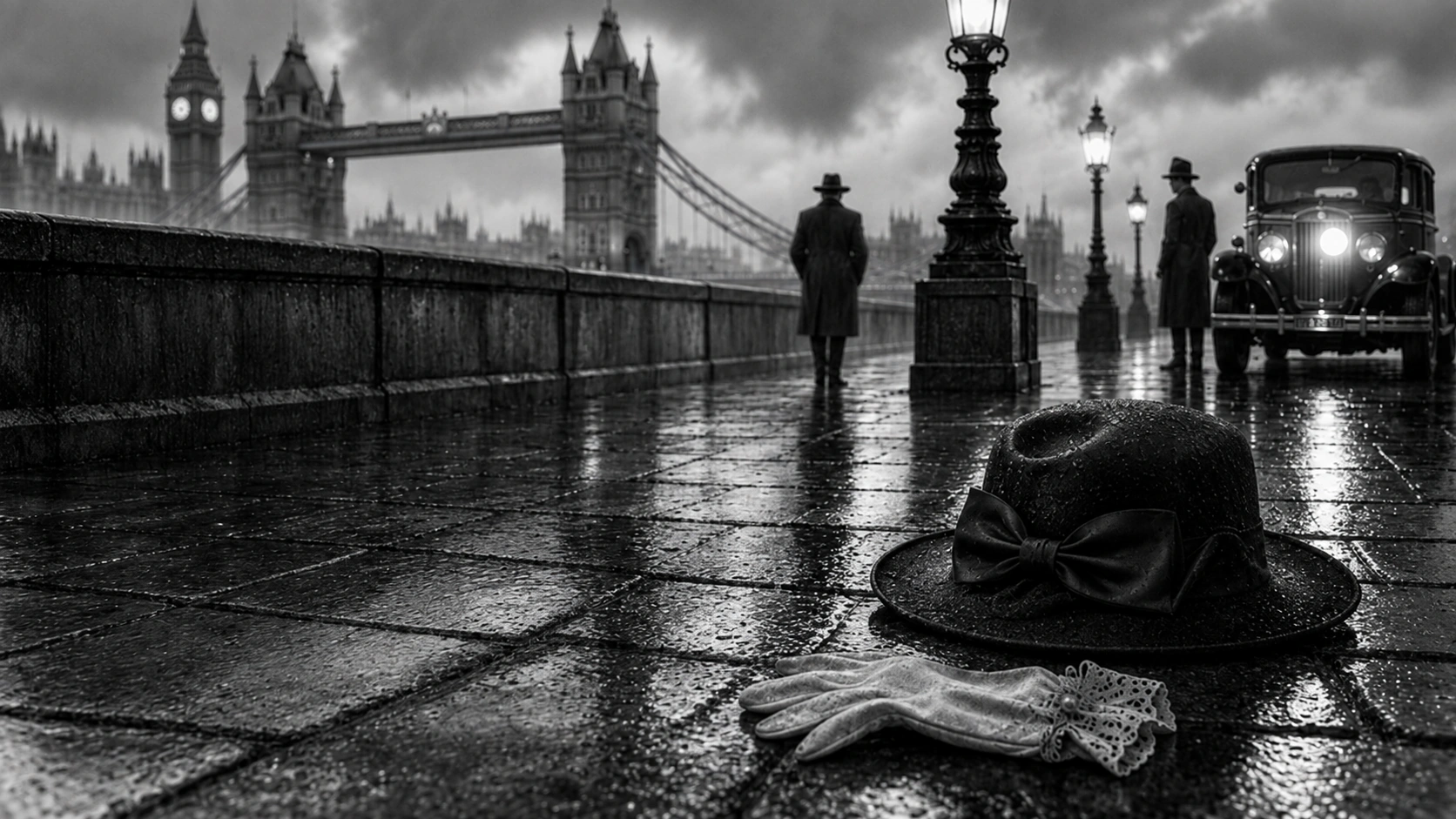
The investigation in Grimwolf begins within the familiar conventions of a police thriller.
Scotland Yard faces a series of crimes that appear to be the work of an exceptionally methodical killer. Recurring details link the bodies. The wounds follow a pattern. Objects have been deliberately placed beside the victims. Nothing seems accidental.
Arthur Crowley and Edward Blake must initially approach the case as investigators.
Find connections.
Reconstruct movements.
Question witnesses.
Determine which elements belong to the killer’s ritual and which serve a practical purpose.
But the evidence begins to defy an explanation based solely on criminal motives.
The victims bear symbols associated with the Norse world. Among them are references to concepts, figures and runes rooted in a tradition far older than the streets where the bodies are discovered.
The killer does not seem content merely to kill.
Someone is building something.
And that distinction gradually transforms a police investigation into an exploration of the boundaries between the living and the dead.
When Runes Cease to Be Mere Symbols
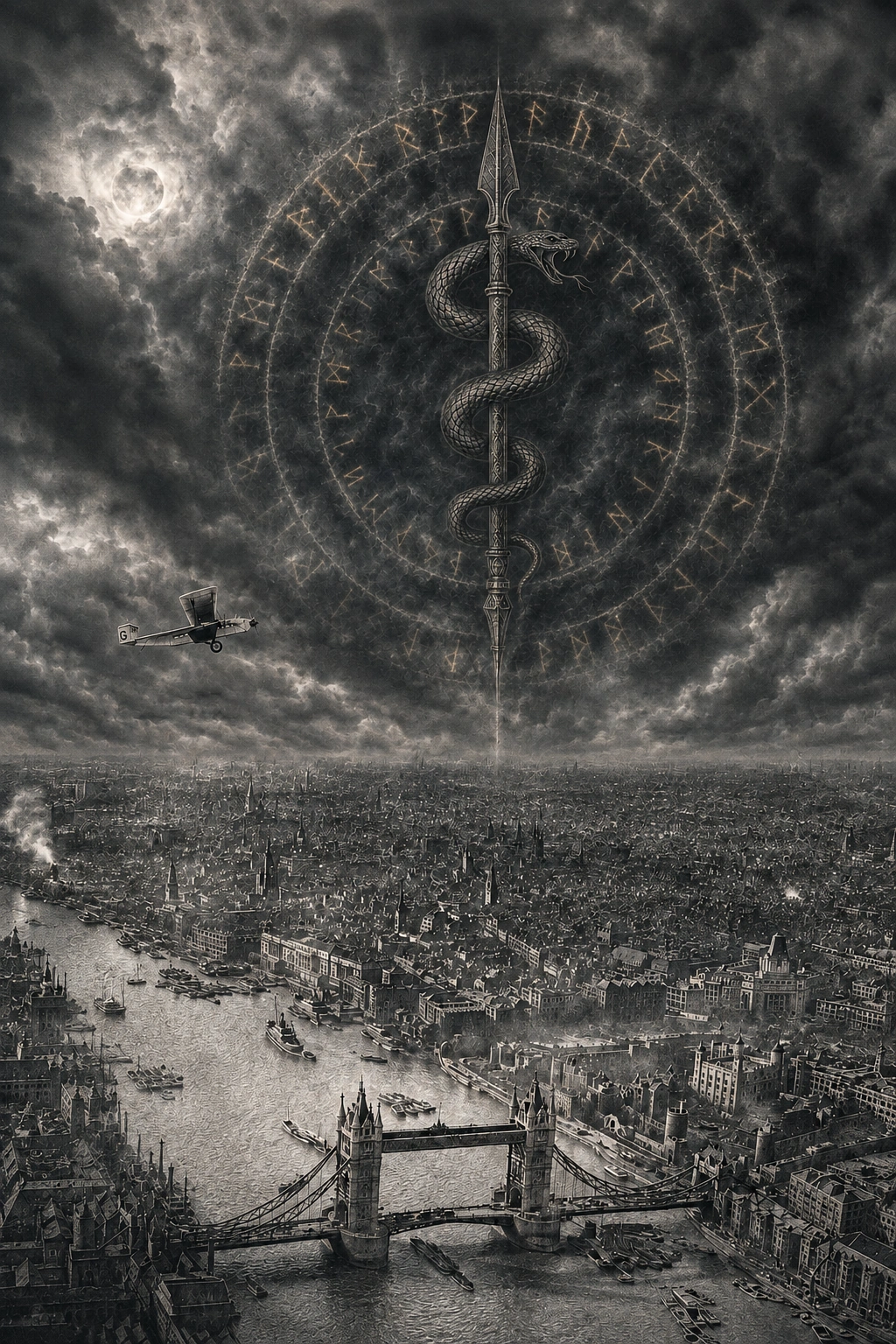
One of the fundamental principles of Grimwolf’s cosmology is that symbols have meaning because they represent realities that once existed—or perhaps never ceased to exist.
The runes found on the bodies are not merely a killer’s outlandish signature.
Their arrangement follows a ritual logic.
Each body becomes a component within a larger structure. Viewed individually, the crimes seem to contain incomplete messages. Considered together, they suggest a far more disturbing possibility: the victims may form part of a mechanism intended to establish contact with another plane of existence.
Modern London has electricity, motor cars, telephones, forensic laboratories and one of the most famous police organisations in the world.
None of these can explain what is happening.
This contrast lies at the heart of Grimwolf: modernity has not destroyed the ancient world; it has simply stopped believing in it.
The Seal of the Last Name
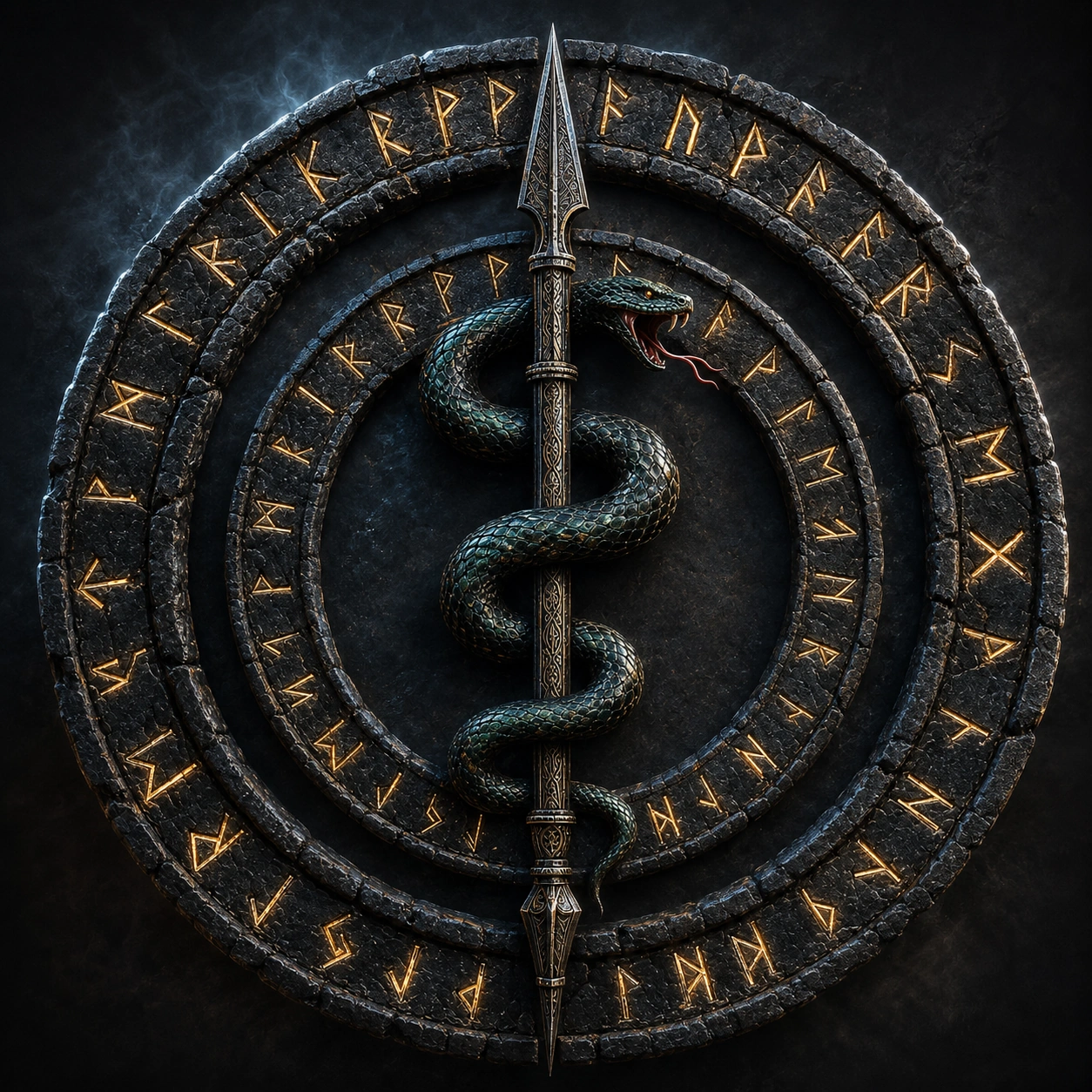
One of the most significant features of the murders is the coin placed beneath each victim’s tongue.
This is no ordinary currency.
It is an ancient piece of iron and silver associated with Hel and the passage into the realm of the dead.
Within Grimwolf’s cosmology, this practice takes on a particular meaning: the Seal of the Last Name.
The coin serves as more than a funerary payment. It represents the preservation of identity during the crossing. The dead must not become merely anonymous souls among countless others. They must retain what makes them individuals.
Their name.
Their memory.
Who they once were.
The image of Hel engraved on the coin also connects the murder to Helheim and the laws governing passage between the two worlds.
The novel thus draws on recognisable elements of European funerary imagery and Norse cosmology to create its own ritual interpretation.
This is not simply about killing a person.
It is about preparing them to cross.
Hel: Death Without Demons
One of Grimwolf’s fundamental choices is to distance Hel from the Christianised image of a demon.
Hel is not Satan.
Nor is Helheim the Christian hell.
In Norse tradition, Hel rules over certain of the dead, and her figure belongs to a conception of the afterlife very different from the later division between heaven and hell.
Grimwolf preserves that distinction and develops it within its own cosmology.
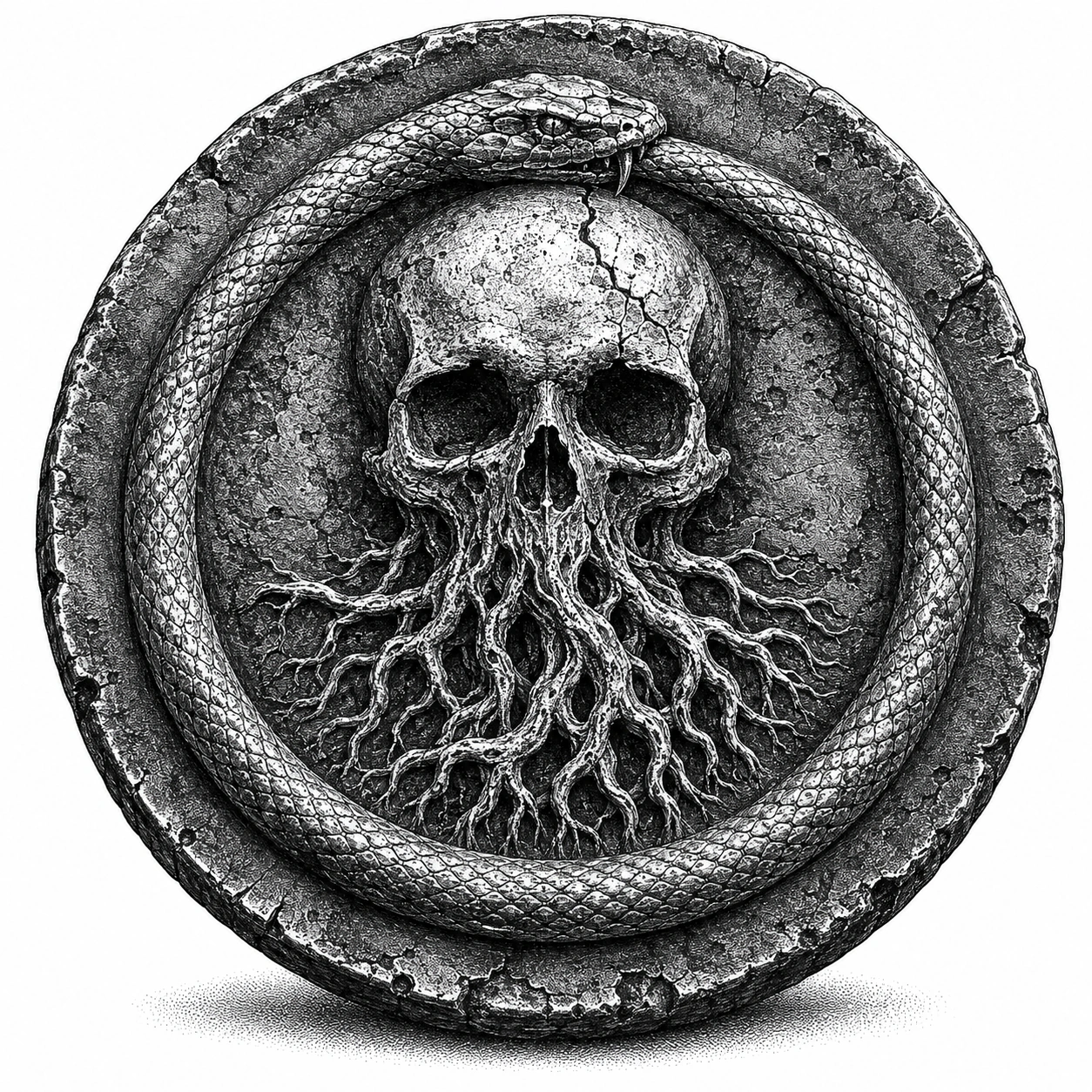
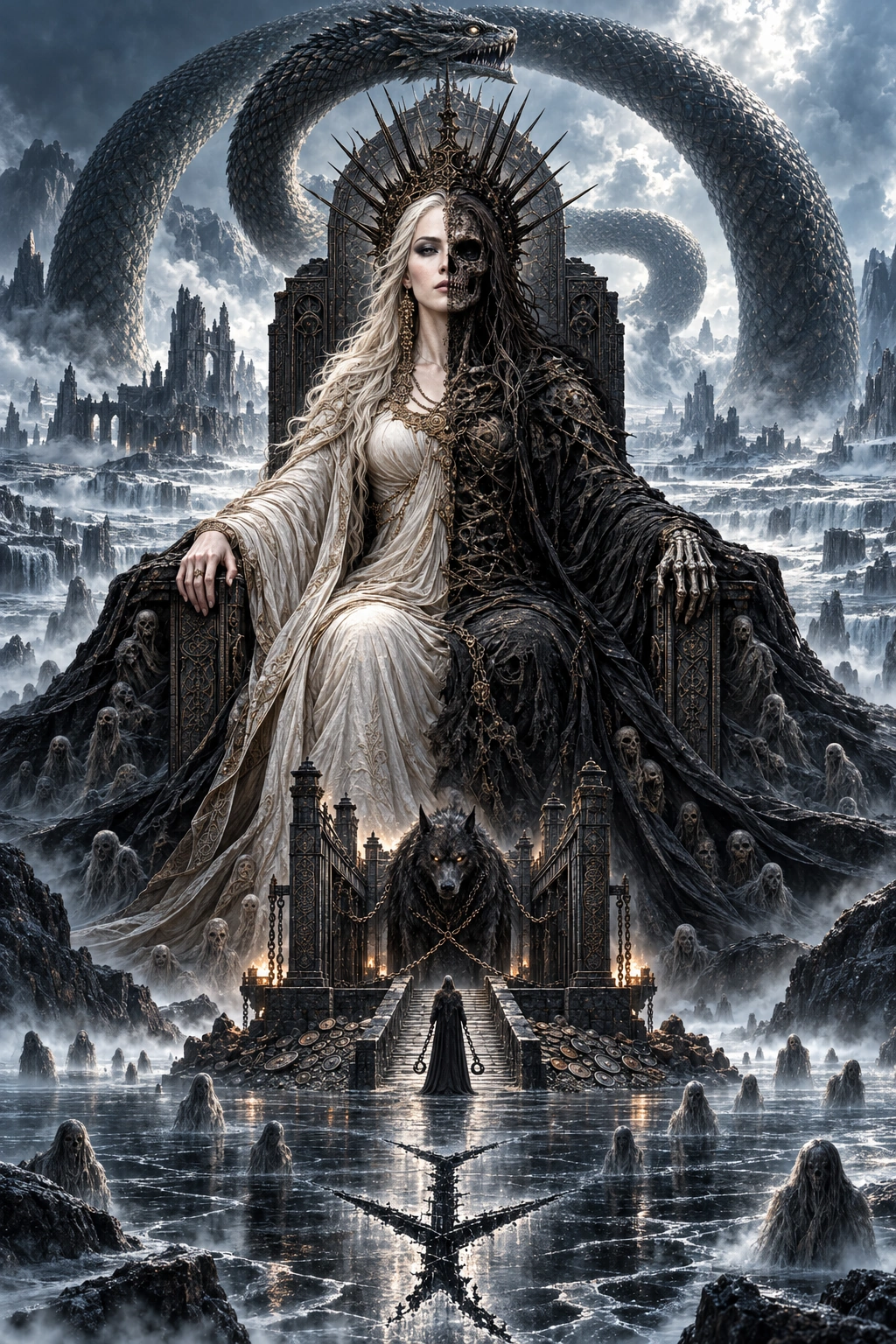
The goddess retains her dual nature.
One part of her remains human in appearance: serene and almost regal.
The other belongs to death.
Withered flesh.
Bone.
Decay.
These are not necessarily two opposing personalities. They are two aspects of the same reality.
Hel embodies the boundary.
Life, and what remains after it.
Her presence in the novel therefore need not take the form of a monstrous creature pursuing the protagonists through the streets.
Her power is all the more disturbing because it follows an order.
Hel rules.
Hel waits.
Hel claims what belongs to her.
Helheim Is Not Hell
This distinction is essential to understanding the world of Grimwolf.
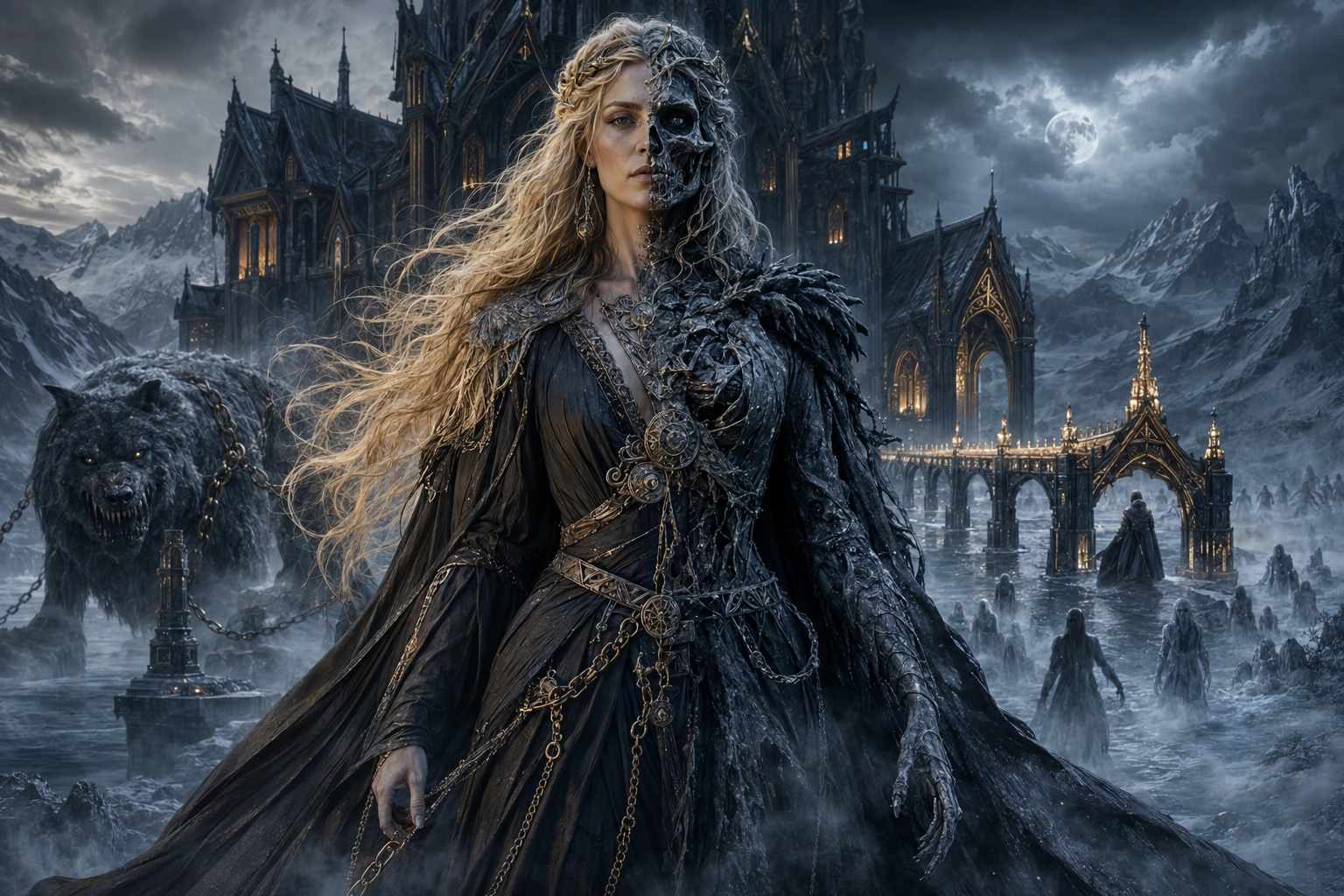
Helheim is not a place devoted exclusively to punishment.
It is the realm of certain of the dead.
A territory with its own laws, borders and hierarchies.
The novel distinguishes this domain from far more terrible places within its cosmology of the afterlife, such as Náströnd, associated with the punishment of those who have committed particular transgressions.
This separation moves beyond an overly simple interpretation of the world of the dead.
There are not merely two possibilities—salvation or damnation.
There are destinations.
There are paths.
And there are rules.
In Grimwolf, death has a geography.
Agnes Holloway and the Logic of Sacrifice
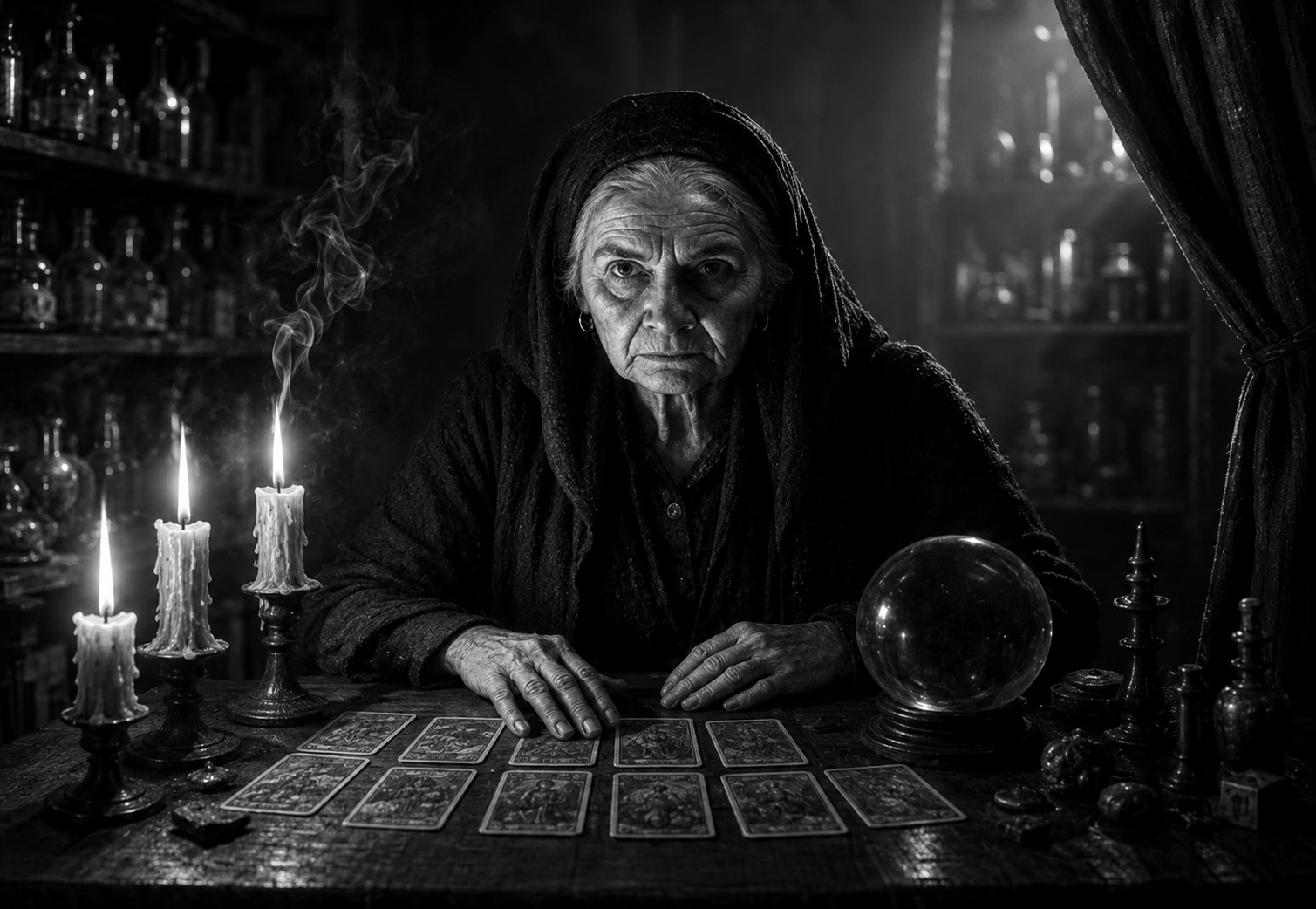
The appearance of Agnes Holloway introduces another dimension to the conflict.
From a modern perspective, the acts connected with the murders can only be understood as crimes. But those who still understand the ancient laws follow an entirely different logic.
For them, sacrifice can become an exchange.
Blood can become tribute.
Death can become a passage.
This does not make murder morally acceptable. It reveals that those involved do not necessarily understand their own actions through the categories of modern London.
Agnes moves between two systems of thought.
In one, there are Scotland Yard, judges, evidence and murders.
In the other, there are oaths, sacrifices, gods and debts that can endure for centuries.
Both worlds occupy the same city.
And sooner or later, they must collide.
Southwark: The Ancient World Beneath the Modern City
Southwark is one of the places where this overlap becomes physical.
On the surface lies London.
Beneath it, something else remains.
The back room associated with Agnes Holloway, the underground spaces and the chapel connected with Hel turn London’s subterranean world into a symbolic boundary.
The further the characters descend, the further they move from the rational London they know.
They do not need to leave England.
They only need to go down.
This spatial arrangement echoes one of the great mythological motifs associated with the underworld: descent.
To descend beneath the city is to descend into a past that London has buried but never destroyed.
The Liver, Fate and Restored Bodies
Another disturbing feature of the murders is the removal of the liver.
Yet the violence is not intended merely to provoke horror.
After the organ is removed, the body is carefully closed.
There is almost an effort to restore it.
The victim must be presented in a particular way.
The corpse thus becomes something poised between criminal evidence and an offering.
The removal also carries a meaning within the novel’s ritual framework: what belonged to the victim’s earthly future has been separated from the body that must undertake the crossing.
Once again, the same idea emerges.
The killer does not act like someone who merely destroys.
The killer acts like someone who prepares.
And that certainty is far more unsettling.
From Crime to Cosmology
As the investigation progresses, the pieces begin to connect.
The runes.
The coins.
The removed organs.
The places.
The names.
The seemingly impossible knowledge possessed by certain people.
What began as a murder investigation starts to suggest that London stands above something its inhabitants cannot see.
Mythology ceases to function as a cultural explanation for the crimes.
It becomes a literal explanation.
Perhaps the ancient stories did not describe superstitions.
Perhaps they described places.
Perhaps they described beings.
Perhaps they described doors.
⚠️ Beyond This Point: Spoilers for the Ending of Grimwolf: London 1930
Highgate: Where London Touches the Roots of Yggdrasil
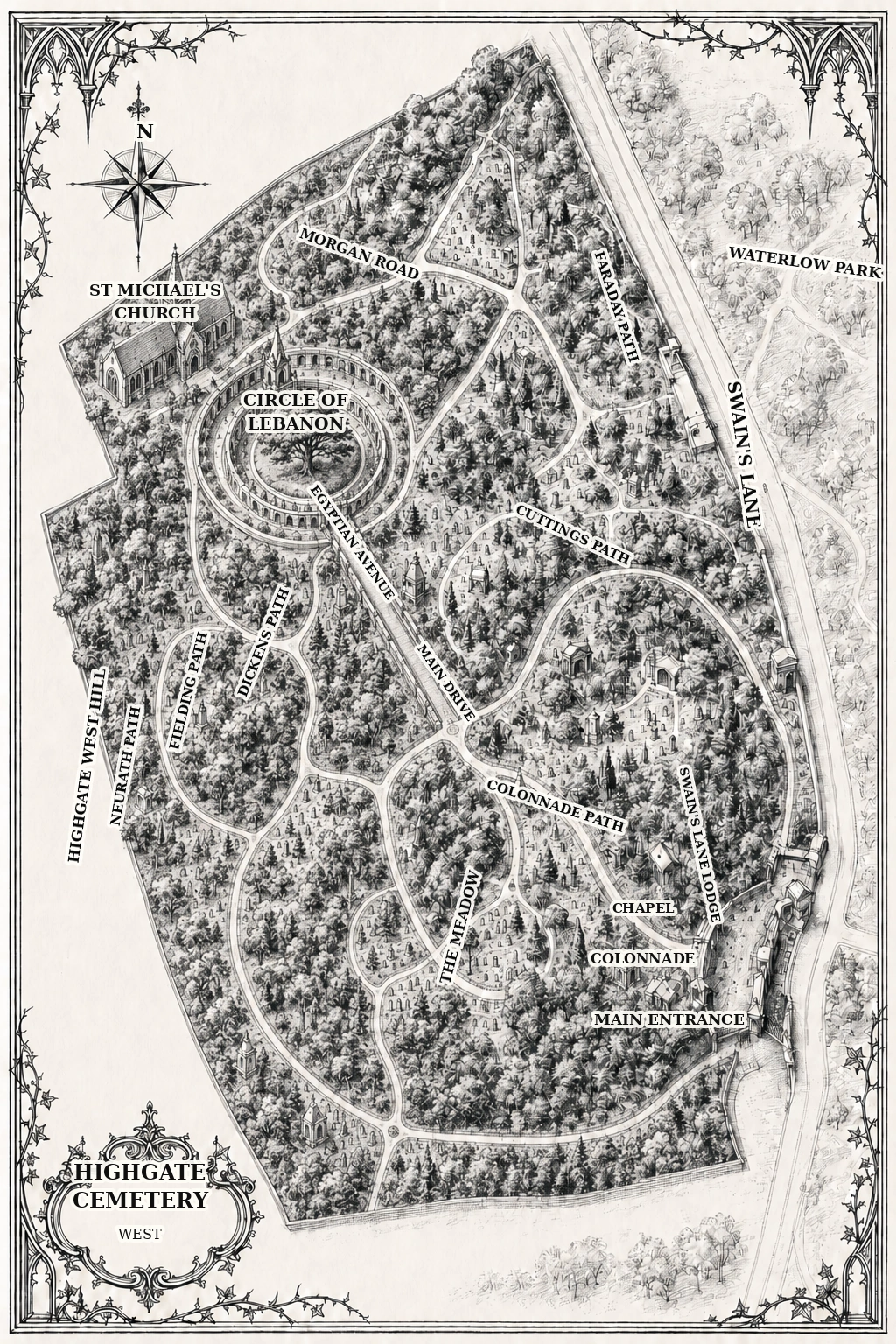
Highgate Cemetery is where all these ideas finally converge.
It is no coincidence that the revelation takes place in a cemetery.
Highgate is already, by its very nature, a borderland: a city built for the dead within the city of the living.
In the novel, the galleries of the Circle of Lebanon and the great Cedrus libani acquire a significance beyond their physical existence.
The tree becomes an earthly representation of Yggdrasil, the cosmic tree connecting the worlds.
This distinction matters.
It does not mean that the London cedar is literally Yggdrasil. It serves as its reflection, its counterpart in the human world: a point where the architecture of Midgard echoes something infinitely greater.
That is why Highgate can become a gateway.
The runic discs and the final component of the ritual complete a structure that began long before, with the first bodies.
Then the stone breaks.
And beneath London lies ice.
The Ice Beneath the Snow
The final image changes the meaning of everything that has come before.
Until that moment, Helheim could be understood as a belief.
An explanation.
A myth used by those committing the crimes.
Highgate destroys that possibility.
Something exists on the other side.
For an instant, London’s snow and Helheim’s ice belong to the same landscape.
The boundary between the two worlds ceases to be a religious abstraction and becomes a physical reality.
That moment also establishes one of the fundamental rules of the Grimwolf saga:
The worlds are not entirely separate.
There are points of contact.
There are people capable of finding them.
And there are forces interested in keeping them open.
A Mythology That Outlived Its Believers
This is perhaps the idea that best captures Helheim’s role in Grimwolf.
The gods do not need the modern world to believe in them in order to exist.
London can build Underground stations over ancient paths.
It can raise churches on pagan sites.
It can light its streets with electricity.
It can examine bodies using forensic techniques.
It can dismiss as superstition everything it cannot measure.
None of this necessarily changes the structure of the universe.
Human beings may forget the gods.
The gods need not forget humanity.
Norse mythology in Grimwolf is therefore intended to be more than a collection of references readers will recognise.
Hel, Helheim, Yggdrasil and the other elements of its cosmology belong to a system that continues to exist behind human history.
London in 1930 is simply where the two realities begin to touch.
Helheim as the Beginning of Something Greater
The first Grimwolf book uses the underworld to raise a question far larger than its initial mystery.
If Helheim exists, what of the other worlds?
If Yggdrasil can project its structure onto Midgard, where are the other points of contact?
And if the ancient gods still influence the human world, to what extent do the events we consider historical belong to humanity alone?
These questions expand the saga’s scope.
What begins among corpses, police files and alleyways shrouded in London fog ultimately points towards a far greater cosmology.
Murder is only the first door.
Beyond it, a universe awaits.
The Gods Never Left
Grimwolf: London 1930 brings together the thriller, historical noir and dark fantasy to confront two ways of understanding reality.
On one side stands modern London: Scotland Yard, forensic science, institutions and the need to find rational explanations.
On the other remains a far older world: runes, sacrifices, gods, the dead and paths connecting different realities.
Hel stands precisely between them.
She does not need to become a demon to be terrifying. Her power comes from something deeper: she represents an order that existed before London and will probably endure beyond it.
Helheim, too, is more than a sinister setting.
It proves that the universe of Grimwolf is far larger than its protagonists imagine.
Because the ancient gods did not disappear.
We simply learned to live as though they were no longer there.
Discover the World of Grimwolf
Grimwolf: London 1930 is the first volume in the Grimwolf saga, a story combining dark fantasy, historical thriller, Norse mythology, mystery and supernatural elements.
In forthcoming articles, we will explore the saga’s cosmology, the Vanir gods, the connections between worlds, and the historical and mythological elements that inspired the creation of the Grimwolf universe.
The journey has only just begun.